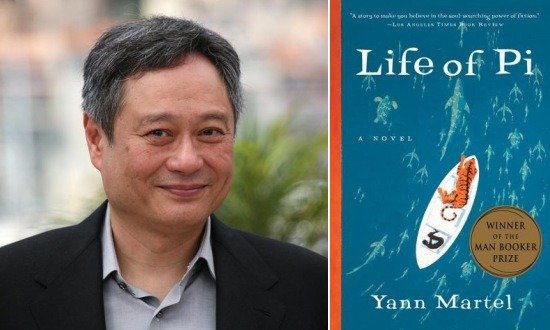
The moment Ang Lee’s Life of Pi burst onto screens, it wasn’t just a visual spectacle; it was a profound journey that hinged entirely on its performances. Delving into The Actual Cast of Ang Lee’s Life of Pi reveals the incredible talent that brought Yann Martel's "unfilmable" novel to breathtaking life, transforming abstract concepts of survival and faith into a tangible, emotional experience.
For any filmmaker tackling a story of such immense scope and introspection, the casting is paramount. Ang Lee faced the daunting task of finding actors who could not only anchor a deeply spiritual narrative but also hold their own against groundbreaking CGI and a formidable Bengal tiger. The result was a meticulously chosen ensemble that transcended language barriers and delivered performances that were both intensely personal and universally resonant.
At a Glance: The Human Heart of Ang Lee's Life of Pi
- A Global Ensemble: Discover the international cast, led by a remarkable newcomer and supported by celebrated veterans.
- Beyond the Green Screen: Understand the challenge and triumph of actors performing alongside an imagined CGI tiger.
- The Narrators of Resilience: Meet the two actors who portray Pi at different stages of his extraordinary life.
- Family Foundations: Explore the roles of Pi's parents in shaping his worldview before the catastrophic journey.
- Supporting Pillars: Learn about the key supporting roles that add crucial depth and danger to Pi's saga.
- Ang Lee's Midas Touch: Acknowledge the visionary director's role in guiding these performances to critical acclaim.
The Audacious Adaptation: Casting the Unfilmable
Yann Martel’s Life of Pi isn't merely a story of survival; it’s an allegorical tale about belief, perspective, and the stories we tell ourselves to make sense of the world. Bringing such a nuanced narrative to the big screen, especially one set largely on a lifeboat with a tiger, was considered an almost impossible feat. Yet, Ang Lee, a director renowned for his artistic daring and emotional depth, took on the challenge. His success wasn't just in the visually stunning 3D, which garnered significant Oscar buzz for its groundbreaking effects; it was equally, if not more, about the authenticity and power of the cast he assembled.
The core message of the film — overcoming adversity, the strength of the human spirit, and finding meaning in life — had to be embodied by actors capable of conveying profound emotional states, often in isolation or against a backdrop of unimaginable peril. From a debut actor thrown into the deep end to seasoned international stars, each member of the cast played a critical role in weaving together this powerful, engrossing, and truly unforgettable cinematic experience that opened on January 9, 2013.
Anchoring the Impossible Journey: Suraj Sharma as Young Pi
At the heart of Life of Pi lies the young Pi, Piscine Patel, a curious and spiritual teenager from Pondicherry, India, who finds himself thrust into an unimaginable ordeal. Casting this pivotal role was Ang Lee’s most critical decision, and he found his Pi in the remarkably talented Suraj Sharma. This was Sharma’s debut film role, and his journey to the screen is almost as compelling as Pi’s own.
Sharma was discovered during an extensive worldwide casting call that reportedly saw over 3,000 hopefuls. He initially accompanied his brother to the audition and was convinced by the casting director to try out himself. Despite having no prior acting experience, his raw talent, expressive eyes, and innate vulnerability shone through. Lee famously remarked that he saw "an old soul" in Sharma's eyes, exactly what was needed for a character who endures such profound trauma and transformation.
Sharma’s performance is nothing short of extraordinary. For much of the film, he is the sole human presence on screen, often interacting with a tiger that was either a CGI creation or a stand-in puppeteer. He had to convey terror, despair, hope, fury, and burgeoning spiritual understanding through facial expressions and body language alone. His portrayal had to be convincing enough to carry the entire narrative, making audiences believe in his desperate struggle and his improbable bond with Richard Parker, the Bengal tiger. His commitment to the role, including undergoing rigorous physical training and a drastic weight loss, speaks volumes about his dedication and the demands of the part. Without Sharma's authentic and deeply moving performance, the emotional core of Life of Pi would undoubtedly have been lost.
The Weight of Memory: Irrfan Khan as Older Pi
While Suraj Sharma embodies the arduous physical and emotional journey of young Pi, it is the esteemed Irrfan Khan who brings a reflective, weathered wisdom to the character of the older Pi Patel. Settled in Canada, this older Pi recounts his incredible survival story to a curious writer, weaving a narrative that forces the audience to confront questions of truth, faith, and the power of storytelling.
Irrfan Khan, a Padma Shri awardee, was a celebrated Indian actor with a remarkable international filmography, known for his ability to infuse complex characters with subtle depth and gravitas. His work in films like "Partition" and "The Amazing Spiderman" showcased his versatility and commanding screen presence. As the older Pi, Khan provides the narrative framework for the entire film, his calm, measured delivery contrasting with the harrowing events he describes.
Khan's performance is crucial for several reasons: he grounds the fantastical elements of Pi's tale in a believable human experience, demonstrating the long-term impact of such an ordeal. His expressions of quiet contemplation, wry humor, and profound sadness convey a lifetime of reflection on his journey. He becomes the audience's guide, inviting them into a world where the line between reality and metaphor blurs. His scenes, often intimate conversations with the writer, provide essential breathing room and intellectual weight to the visually intense flashbacks, solidifying the film’s exploration of its central themes. His presence lends immense credibility and emotional resonance to the overall narrative, demonstrating the ultimate strength of the human spirit.
Strength and Sacrifice: Tabu as Gita Patel, Pi's Mother
Behind every compelling protagonist often stands a supportive, influential family, and for Pi, his mother, Gita Patel, plays a crucial role in his formative years. Portrayed with grace and warmth by the accomplished Tabu, Gita is the loving anchor of the Patel family, a woman who instills in Pi a sense of kindness and curiosity, even as she sometimes gently questions his burgeoning spiritual explorations.
Tabu, also a Padma Shri awardee, is one of India’s most respected actresses, celebrated for her powerful and nuanced performances across a wide range of films. She holds the record for six Filmfare's Critics Awards for Best Female Performer, a testament to her consistent critical acclaim. In Life of Pi, her role, though appearing in the film’s first act, is vital. She represents the tenderness and protective love that Pi loses so tragically during the shipwreck.
Her interactions with Pi and her husband establish the family dynamics, providing a stark contrast to the isolation Pi later faces. Gita’s gentle guidance and strength are part of the foundation that Pi carries with him into his unimaginable ordeal. Her tragic fate underscores the immense loss that drives Pi’s will to survive and adds an emotional weight that resonates throughout his solo voyage. Tabu’s dignified portrayal ensures that Gita is remembered not just as a victim, but as a loving mother whose memory inspires Pi's resilience.
The Guiding Hand: Adil Hussain as Pi's Father
Complementing Tabu’s Gita, Adil Hussain portrays Pi’s pragmatic and often stern father, Santosh Patel. A zookeeper and a man of science, Santosh represents a different philosophy from his more spiritually inclined son, frequently encouraging Pi to embrace logic and reason over faith and mysticism. Yet, his intentions are always rooted in love and a desire to prepare Pi for the harsh realities of the world.
Adil Hussain, a well-regarded Indian actor known for his work in independent cinema and international co-productions, brings a grounded authority to the role. His performance as Pi’s father is critical in establishing the intellectual and philosophical conflicts that Pi grapples with even before the shipwreck. Santosh’s attempts to teach Pi about the brutal realities of nature – particularly through the dangerous presence of Richard Parker, the Bengal tiger – foreshadow the lessons Pi will learn firsthand at sea.
The father-son dynamic is portrayed with a believable tension and underlying affection. Santosh’s decision to move his family and their zoo animals to Canada, though ultimately leading to tragedy, stems from a desire for a better life. Hussain effectively conveys the complexities of a father trying to protect and educate his son in a world that is far more unpredictable than anyone can imagine. His character provides an essential counterpoint to Pi’s spiritual inclinations, creating a balanced upbringing that ultimately equips Pi with both resilience and faith.
A Taste of Humanity's Darker Side: Gérard Depardieu as The Cook
Not every human encounter in Life of Pi is one of compassion. Before Pi's solitary journey truly begins, he encounters a decidedly less benevolent character: the ship’s cook, played by the legendary French actor, Gérard Depardieu. Though his screen time is relatively brief, Depardieu’s presence makes a memorable, unsettling impact, hinting at the darker aspects of human nature that can emerge under duress.
Depardieu is an icon of French cinema, an award-winning actor who has appeared in over 170 films across more than four decades, showcasing an incredible range from period dramas to comedies. His casting, even in a smaller role, brought significant international recognition to the film. As the ship's cook, he embodies a crude, cynical, and ultimately sinister figure who clashes with Pi's family and later, in the shipwreck aftermath, with the other survivors.
His character serves as a stark contrast to the idealism and innocence of Pi. The cook is a pragmatic, self-serving individual, willing to resort to extreme measures for survival. His actions not only create tension in the brief time he is on screen but also set a grim tone for the perils that lie ahead. Depardieu imbues the cook with a menacing physicality and a disquieting lack of empathy, making his portrayal chillingly effective. His performance highlights one of the film's underlying themes: the raw, sometimes brutal, struggle for survival and the moral compromises it can entail. To truly appreciate the breadth of this actor's career, Discover Depardieu Life of Pi and his incredible filmography.
The Listener: Rafe Spall as The Writer
The entire narrative of Life of Pi is framed by the older Pi recounting his story to a curious interlocutor, simply known as "The Writer." This pivotal role, played by British actor Rafe Spall, is the audience's surrogate, asking the questions we might pose and reacting with appropriate wonder and skepticism to Pi's extraordinary tale.
Rafe Spall took on this role after a notable casting change; Tobey Maguire was initially cast as The Writer but was later replaced. Ang Lee reportedly felt that Maguire’s star power was too distracting and pulled focus from Pi’s story, opting instead for a less immediately recognizable face to serve as a more neutral conduit for the narrative. Spall, known for his versatile performances in films like "Prometheus" and various British productions, proved to be an excellent choice.
As The Writer, Spall's performance is understated but essential. He must convey curiosity, skepticism, and eventually, profound understanding as he listens to Pi's recounting. His role is to listen actively, to provide a human connection for the older Pi, and to draw out the deeper meanings of the narrative for the audience. He reacts authentically to Pi's story, allowing the viewer to process the events alongside him. Without a believable and engaging listener, the framing device of the film would falter, diminishing the reflective power of Pi’s memoir. Spall’s nuanced portrayal ensures that the writer serves effectively as a bridge between Pi's fantastical past and the audience's present.
The Master Conductor: Ang Lee's Visionary Direction
While the cast brings the characters to life, it is the visionary director, Ang Lee, who conducts this symphony of performances and groundbreaking visuals. An accomplished film producer, writer, and director, Lee has a celebrated career marked by artistic integrity and a fearless approach to storytelling. His previous works, such as "Crouching Tiger, Hidden Dragon" and "Brokeback Mountain" (for which he won the Best Achievement in Directing Oscar in 2006), showcased his ability to blend intricate character studies with stunning cinematic scope.
For Life of Pi, Lee’s direction was instrumental in guiding his diverse cast, especially Suraj Sharma, through a production that combined intense emotional demands with highly technical CGI interactions. He had to elicit raw, believable emotion from actors often performing against green screens or with stand-ins for animals that would later be digitally rendered. Lee's patient, meticulous approach allowed his actors the space to explore their characters' depths, while his precise visual storytelling ensured that their performances were perfectly integrated into the film’s breathtaking aesthetic.
Lee's ability to transcend language and age barriers with his films is particularly evident in Life of Pi. He skillfully balanced the grand spectacle with intimate human drama, ensuring that the film’s powerful and engrossing visual stunningness never overshadowed the strength of its human spirit theme. His guidance was key to the cast's success in conveying the film's core message of hope and courage, making Life of Pi a truly universal story.
Crafting an Unforgettable Narrative: The Ensemble's Collective Impact
The true genius of The Actual Cast of Ang Lee's Life of Pi lies not just in individual performances but in their collective synergy. Each actor, whether a lead or in a supporting role, contributes a vital thread to the film’s rich tapestry, making the impossible seem real and the incredible believable. The emotional weight of the film relies on the audience’s connection to Pi and his family, a connection painstakingly built by these talented individuals.
From Suraj Sharma's raw, visceral portrayal of youthful struggle to Irrfan Khan's reflective wisdom, and the grounding presence of Tabu and Adil Hussain, the cast collectively grounds the fantastical elements of the story. Even the brief, impactful appearances of Gérard Depardieu and Rafe Spall serve to deepen the philosophical and emotional landscape of Pi's world. This ensemble, guided by Ang Lee's meticulous vision, managed to portray the universal themes of loss, resilience, faith, and the enduring power of storytelling with profound authenticity.
Their performances allowed Life of Pi to transcend its technical marvels and become a deeply human story. They brought vulnerability, strength, and conviction to their roles, ensuring that audiences connected not just with the spectacle but with the beating heart of Pi's incredible journey. The collective strength of this cast is a testament to Ang Lee’s masterful direction and his ability to draw out profound performances from actors, regardless of their experience or the complexity of the production.
Behind the Scenes: Casting Challenges and Triumphs
The casting process for Life of Pi was as monumental as the film's production itself. Finding a young actor capable of carrying the entire film, often in isolation and communicating primarily through non-verbal cues, was an immense challenge. The selection of Suraj Sharma, a complete newcomer, was a bold move that paid off spectacularly. Ang Lee spent months in a global search, demonstrating his commitment to finding the perfect fit rather than simply choosing a recognizable face.
The decision to replace Tobey Maguire with Rafe Spall also highlights Lee's unwavering focus on the narrative's integrity over star power. Every casting choice was deliberate, aimed at serving the story and its complex themes. The diverse international cast, featuring Indian, French, and British actors, reflected the global scope of the novel and the film's universal appeal. This deliberate international approach not only enriched the authenticity of the setting but also ensured that the film spoke to a broad audience, fulfilling its aim to transcend language and age barriers. The triumph of Life of Pi is inextricably linked to the success of this rigorous and thoughtful casting process.
More Than Just Actors: The Legacy of Life of Pi's Cast
The legacy of Ang Lee's Life of Pi is multifaceted, encompassing its groundbreaking visual effects, its deeply philosophical narrative, and its powerful message of hope and perseverance. Central to this legacy are The Actual Cast of Ang Lee's Life of Pi, whose performances breathed life into characters that will forever be etched in cinematic history. They were more than just performers; they were the storytellers who allowed audiences to embark on Pi's incredible journey, to feel his fear, his hope, and ultimately, his profound wisdom.
Their collective efforts contributed to a film that was not only a commercial success but also a critical darling, earning multiple Academy Awards, including Best Director for Ang Lee. The film’s core message about overcoming adversity and the strength of the human spirit resonates deeply, and it is the cast's authentic portrayals that make this message so impactful. They created a believable world within an extraordinary tale, proving that even the most fantastical stories require a human touch to truly connect with an audience.
Your Turn: Revisit the Voyage
If you haven't seen Life of Pi recently, or perhaps ever, now is the perfect time to revisit this cinematic masterpiece. Pay particular attention to the nuances in Suraj Sharma's expressions, the quiet strength of Irrfan Khan, and the brief yet impactful contributions of the entire cast. Consider how their performances shape your understanding of Pi's journey and the profound questions it raises about belief, reality, and the stories that define us. The film is a powerful, engrossing, and visually stunning experience that continues to resonate years after its release, proving the enduring power of its narrative and the incredible talent that brought it to life.